 ↗
Classical formulas07
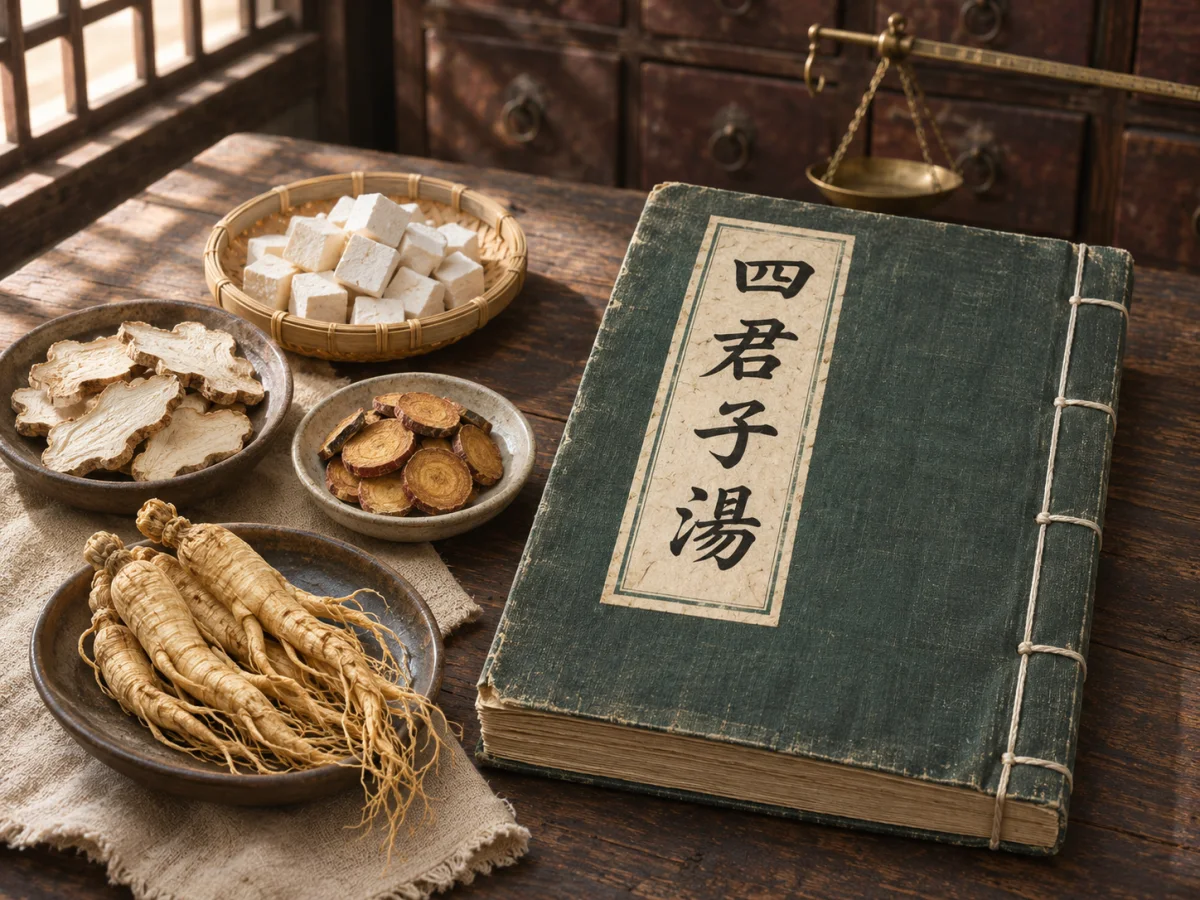
Explore Si Jun Zi Tang through its source, four materials and traditional ingredient roles. Distinguish the formula name from its recorded preparation forms, then compare the additional materials in Liu Jun Zi Tang.
 ↗
Preparation & craft08
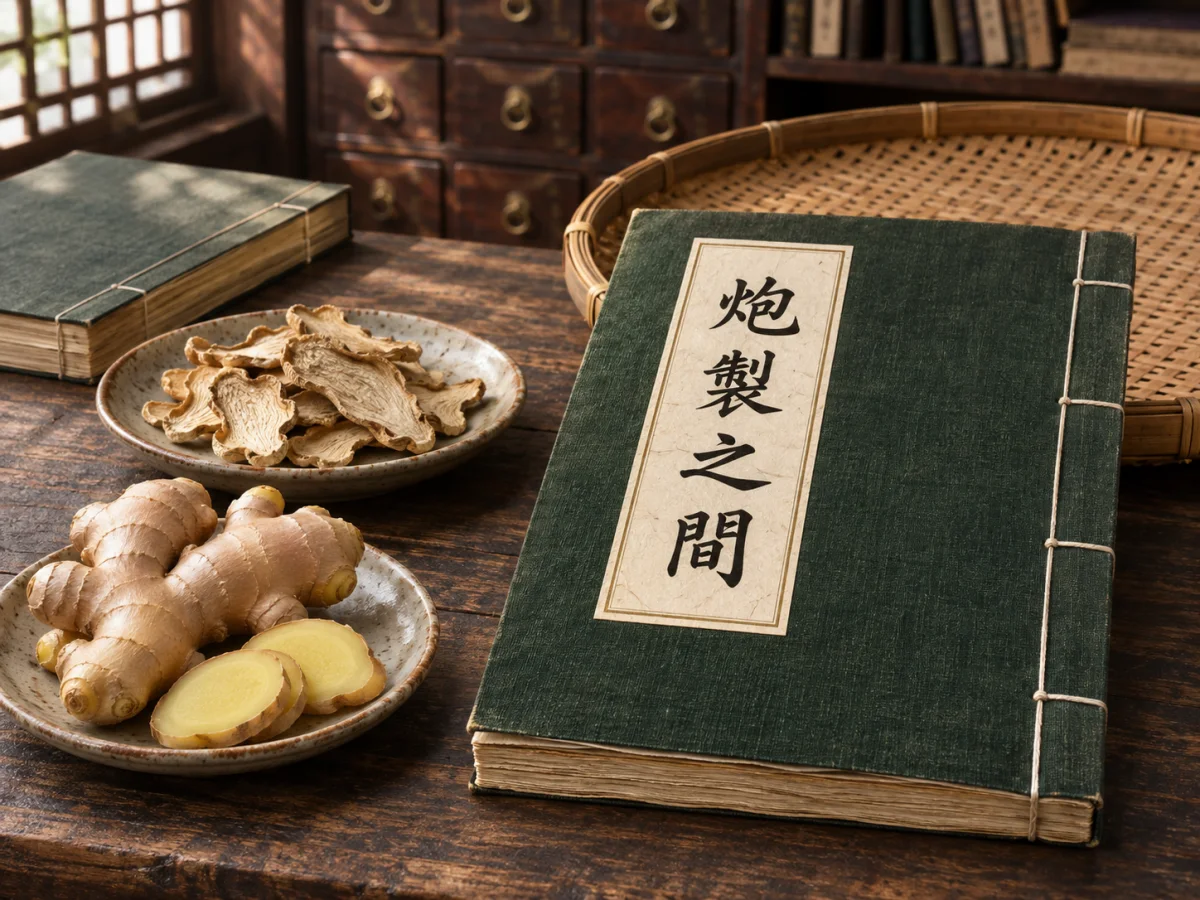
From cleaning and cutting to specialist processing, discover how names such as Sheng Dihuang and Shu Dihuang describe different material identities, and how work areas and records connect herbal craftsmanship with traceability.
 ↗
Herbal culture09
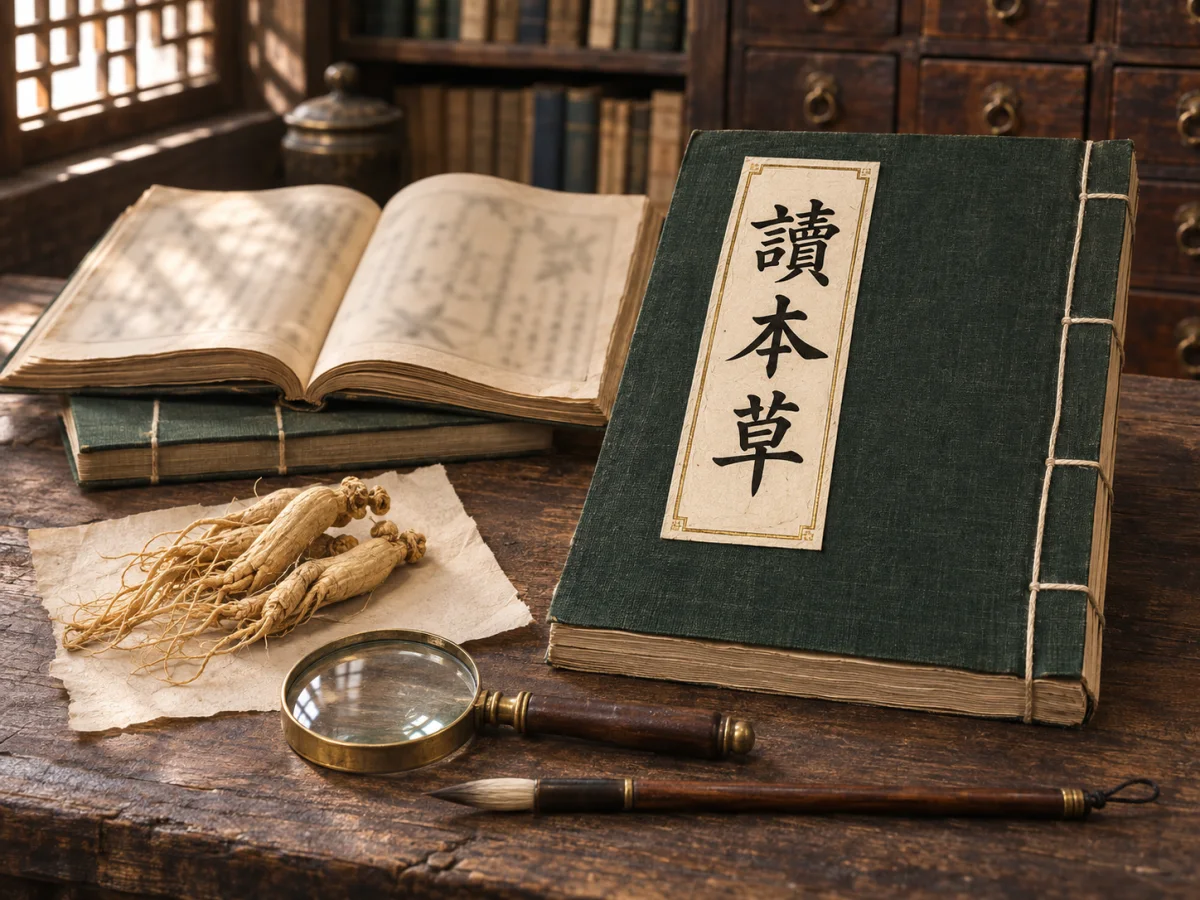
Follow the legend of Shennong and Li Shizhen's Bencao Gangmu to distinguish cultural stories, historical works and surviving editions. Library records and botanical images offer practical ways to connect respect for tradition with careful reading.
 ↗
Classical formulas13
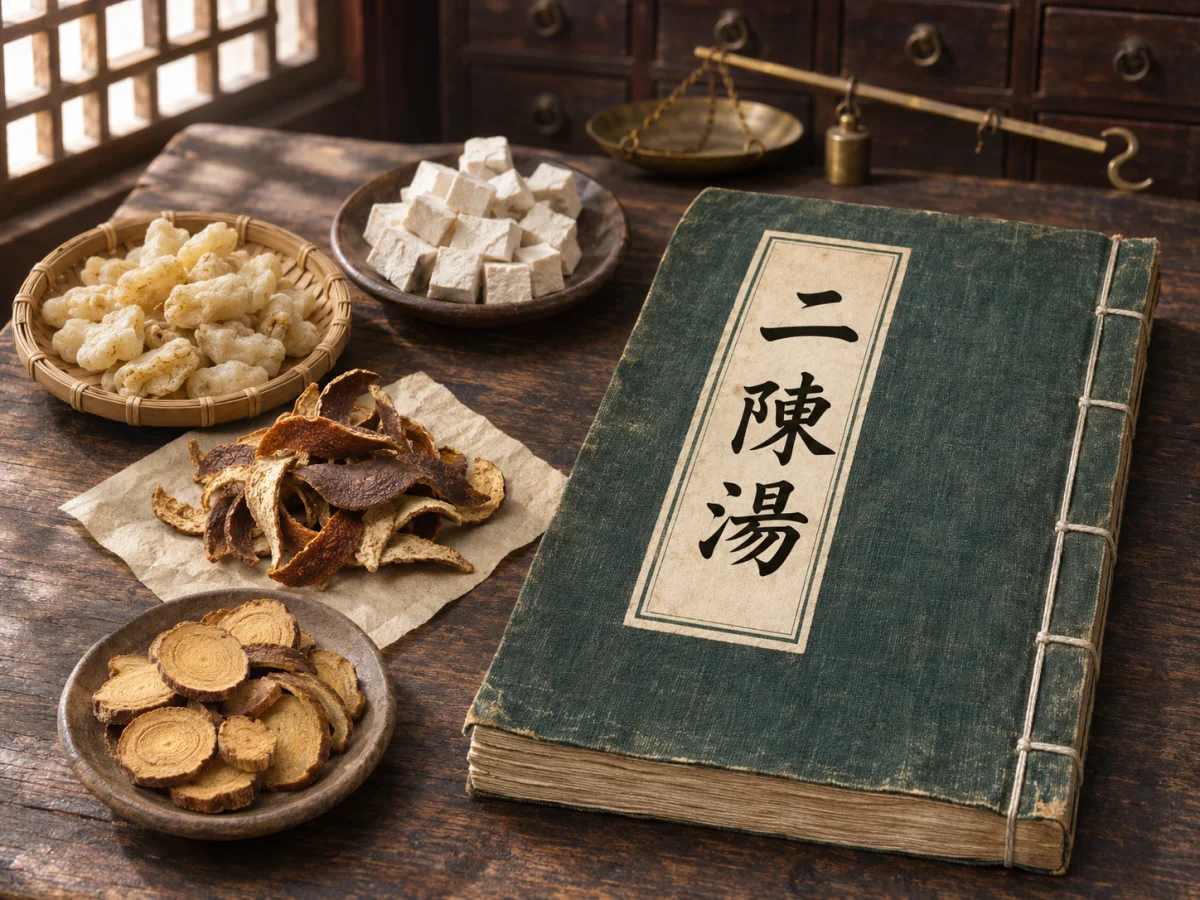
Read Er Chen Tang through its four principal herbs and separately recorded ginger and dark plum. Explore how precise material names, storage, processing and traditional formula theory give this familiar name greater depth.
 ↗
Classical formulas14
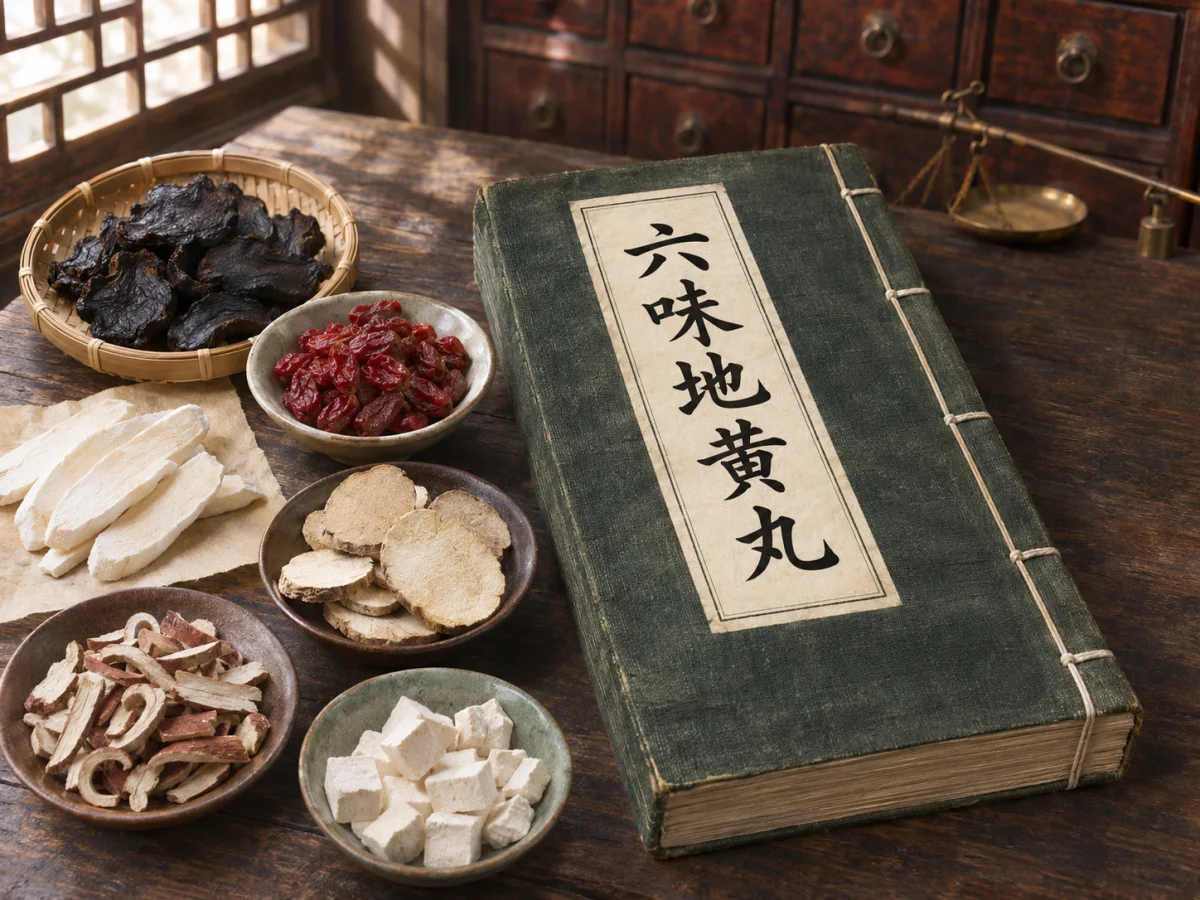
Trace Liu Wei Di Huang Wan to its cited source, then examine the six materials, traditional three-tonifying and three-draining structure, and the distinction between processing names, pill form and the recorded use of honey.
 ↗
Classical formulas50
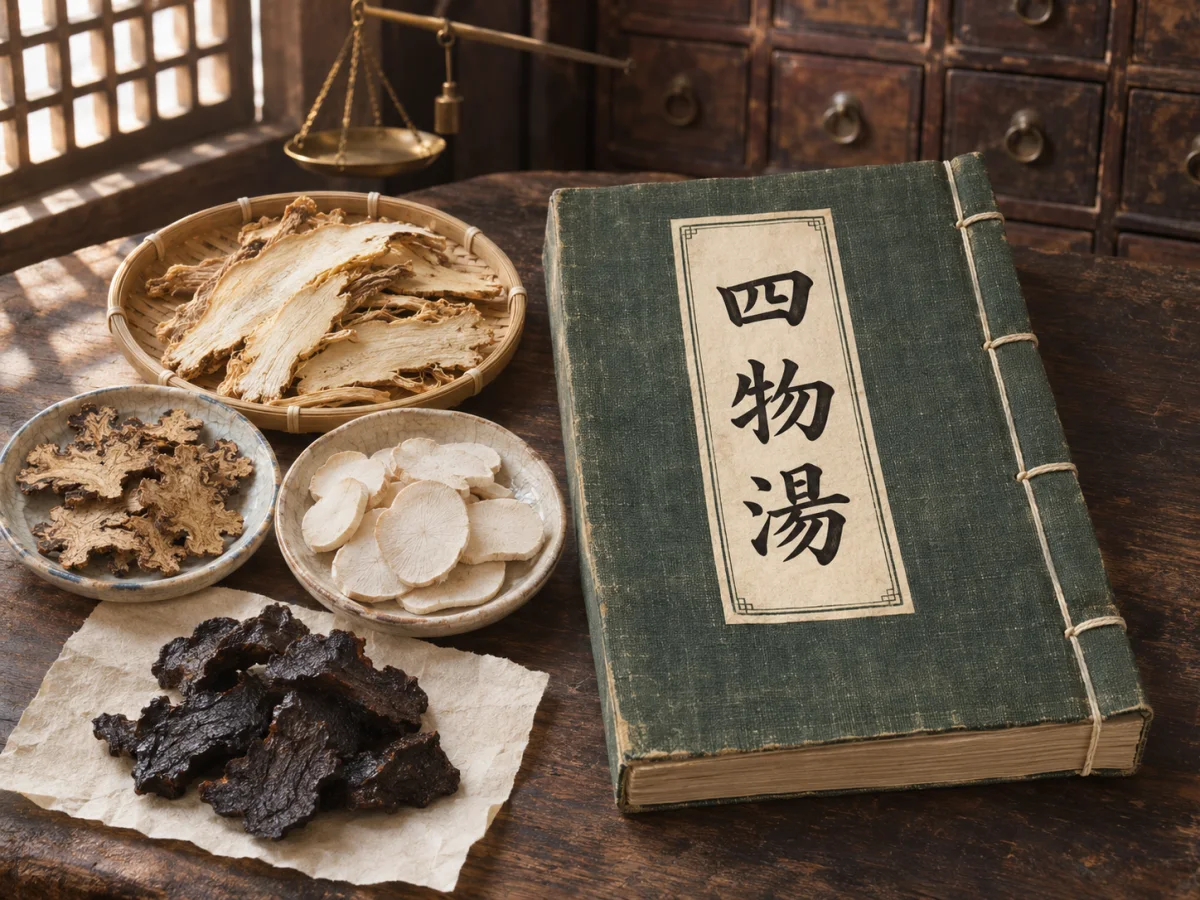
Si Wu Tang appears in Xian Shou Li Shang Xu Duan Mi Fang and consists of Dang Gui, Chuan Xiong, Bai Shao, and Shu Di Huang. This reading examines its source, structural pairing, terminology, and study method.
 ↗
Classical formulas51
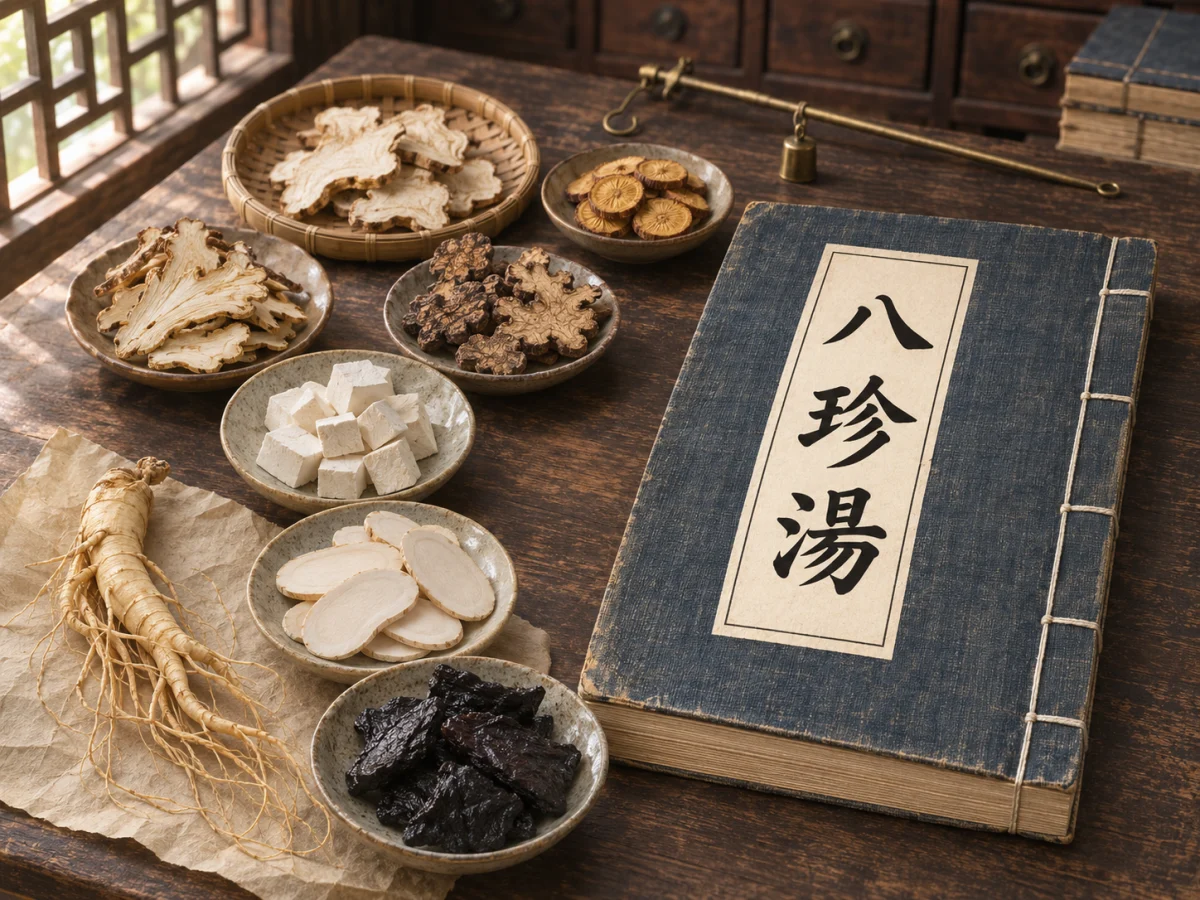
Starting from the Ruizhu Tang Experience Formulas, this reading examines how Eight-Gem Decoction places the drug structures of Four Gentlemen and Four Materials side by side within eight ingredients, understanding layers of combination rather than a sum of effects.
 ↗
Classical formulas52
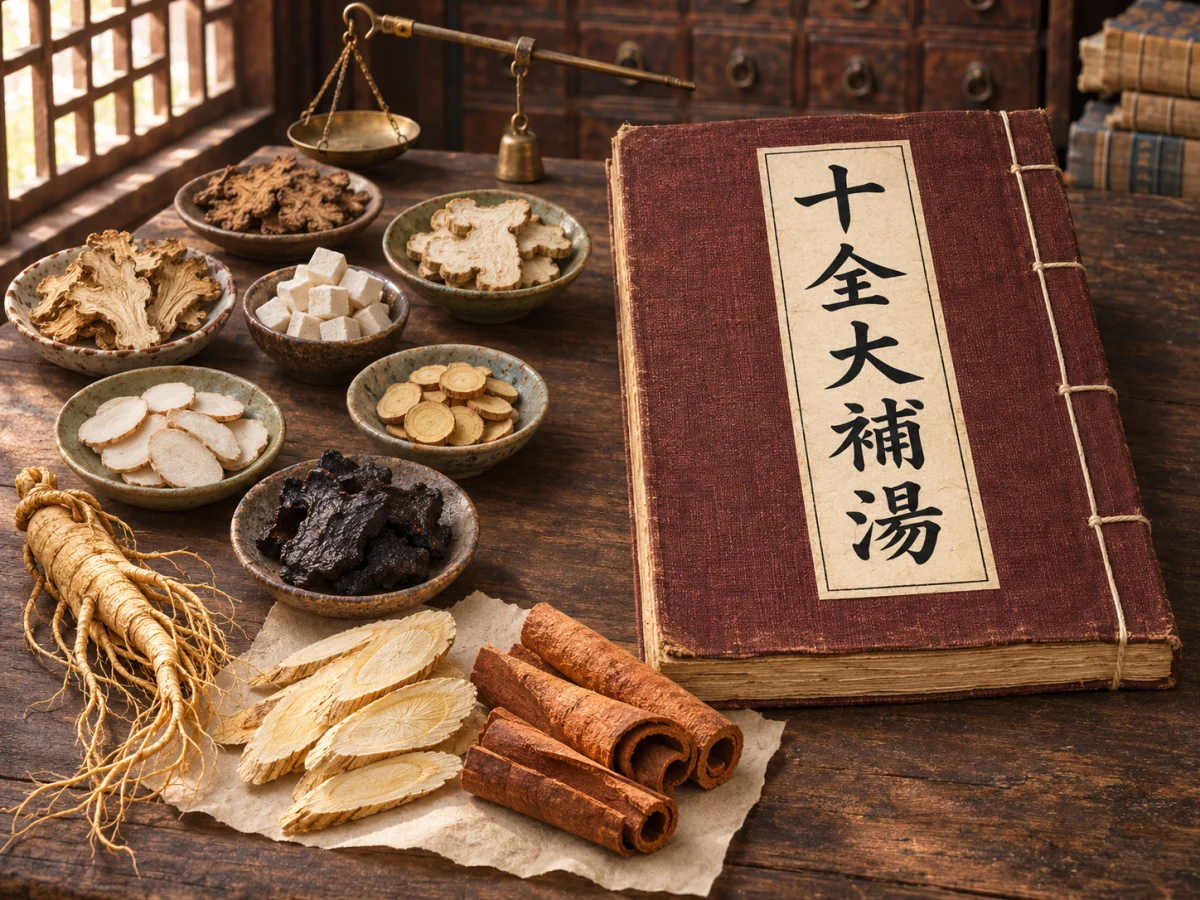
Shi Quan Da Bu Tang appears in the Taiping Huimin Heji Jufang and consists of Ba Zhen Tang plus Huangqi and Rougui. This article examines its composition and the logic of additions from a textual perspective, noting that the name is not a universal promise.
 ↗
Classical formulas53
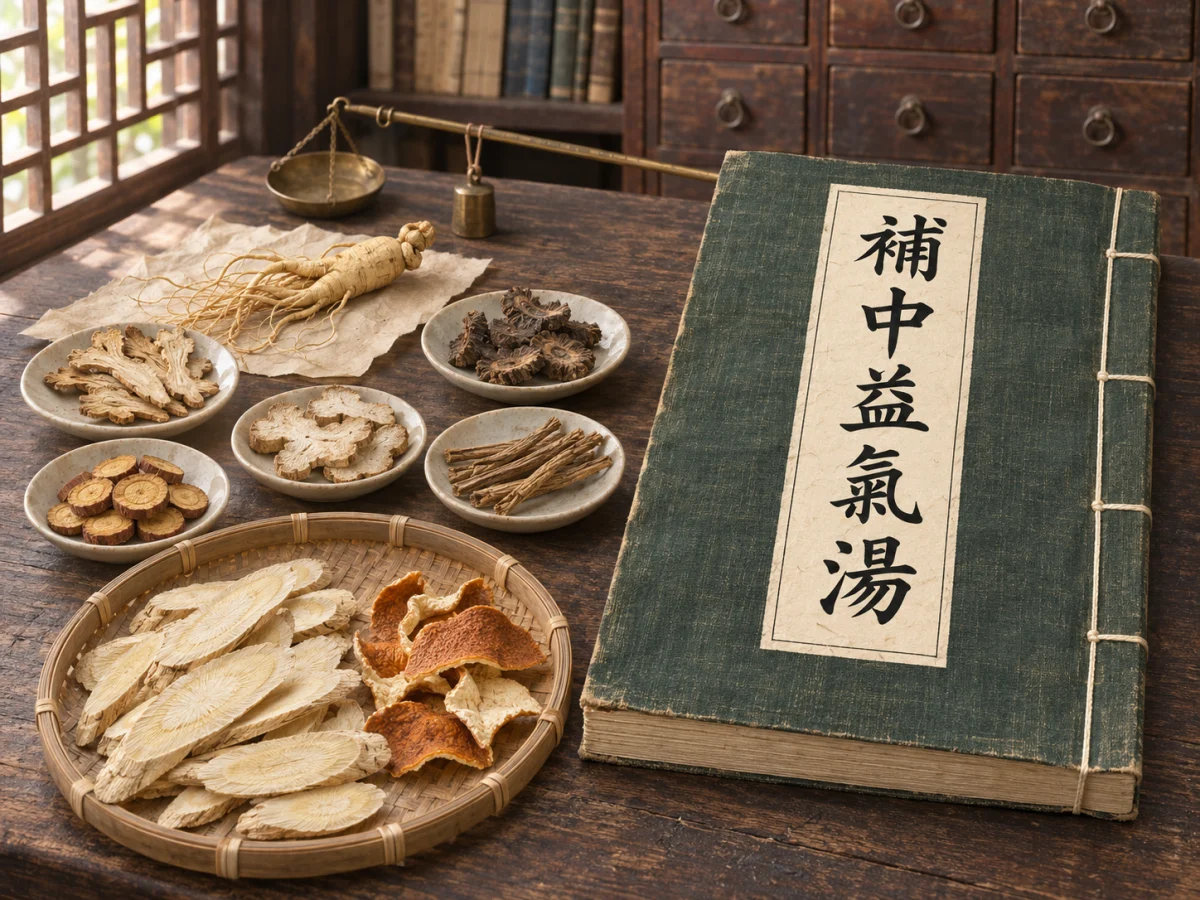
A close reading of the Center-Supplementing and Qi-Boosting Decoction from the Neiwai Shang Bianhuo Lun, focusing on its composition and traditional vocabulary without equating it with modern diagnoses.
 ↗
Classical formulas54
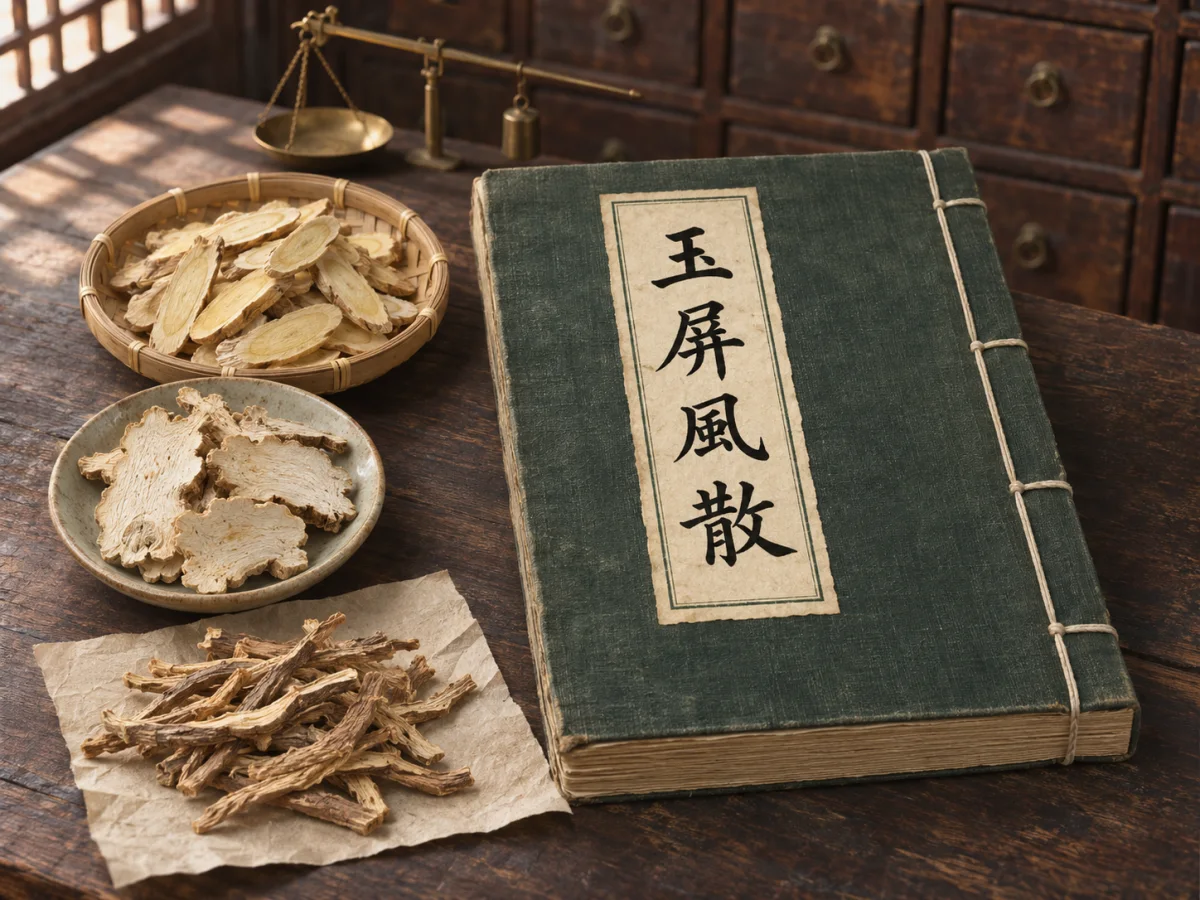
A close reading of Yu Ping Feng San as recorded in the Yi Fang Lei Ju, examining the structure of its three ingredients and the metaphor and limits of the name “wind-barrier.”
 ↗
Classical formulas55
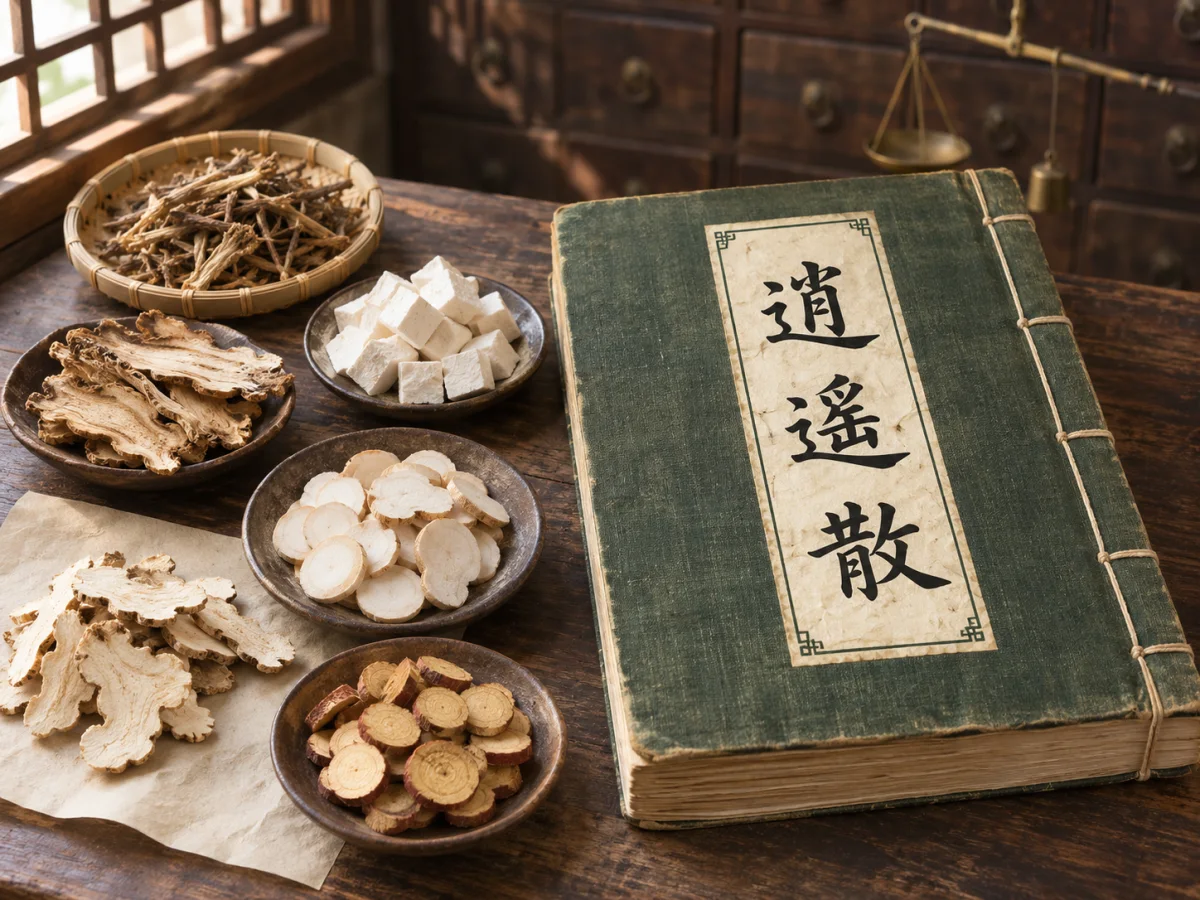
Starting from the name 'Xiao Yao', this article interprets the composition and textual context of Xiao Yao San as recorded in the Taiping Huimin Heji Jufang, reminding readers that this formula is not to be taken casually for low mood.
 ↗
Classical formulas56
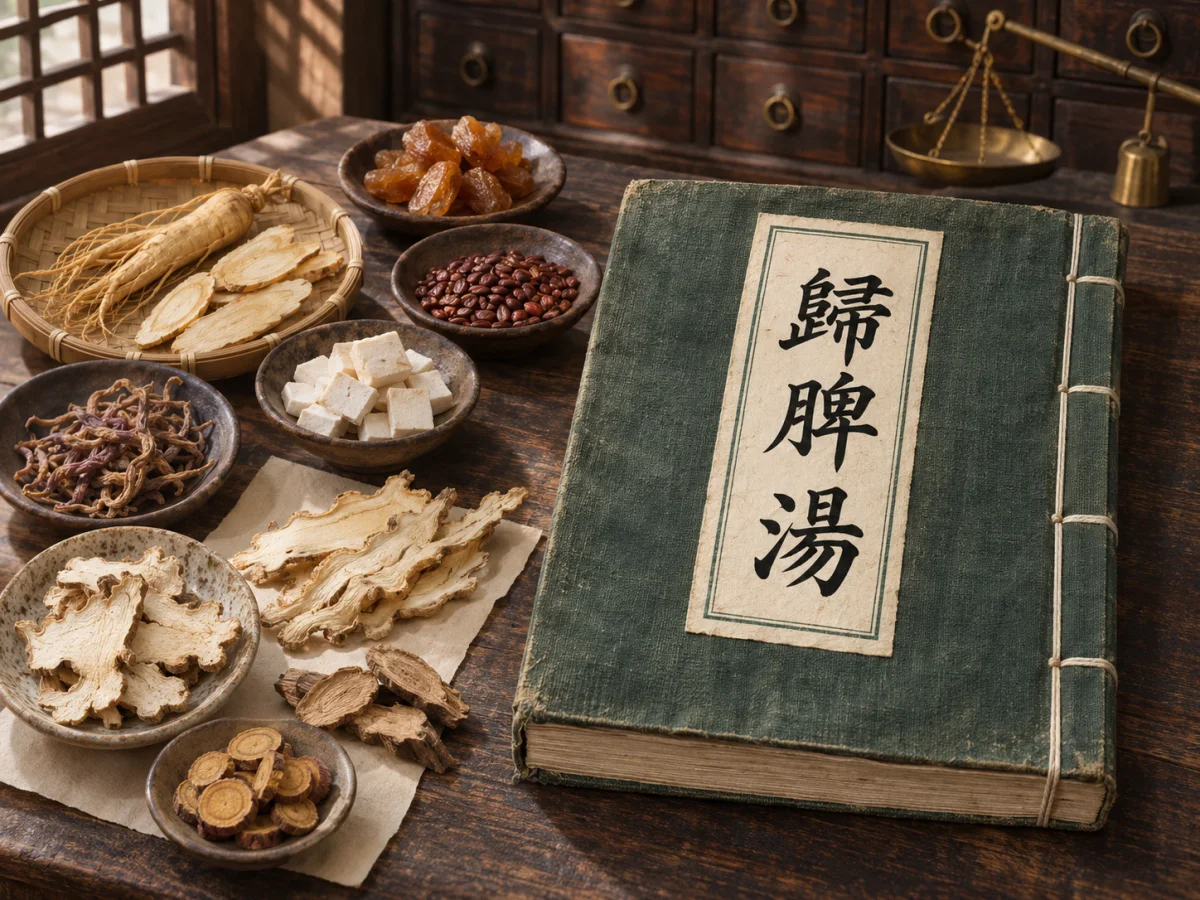
A literary reading of Guipi Tang's source, composition, and the traditional language of heart-spleen and qi-blood, without equating the spleen with the modern organ.
