CHAPTER 01
Verbs Mark States
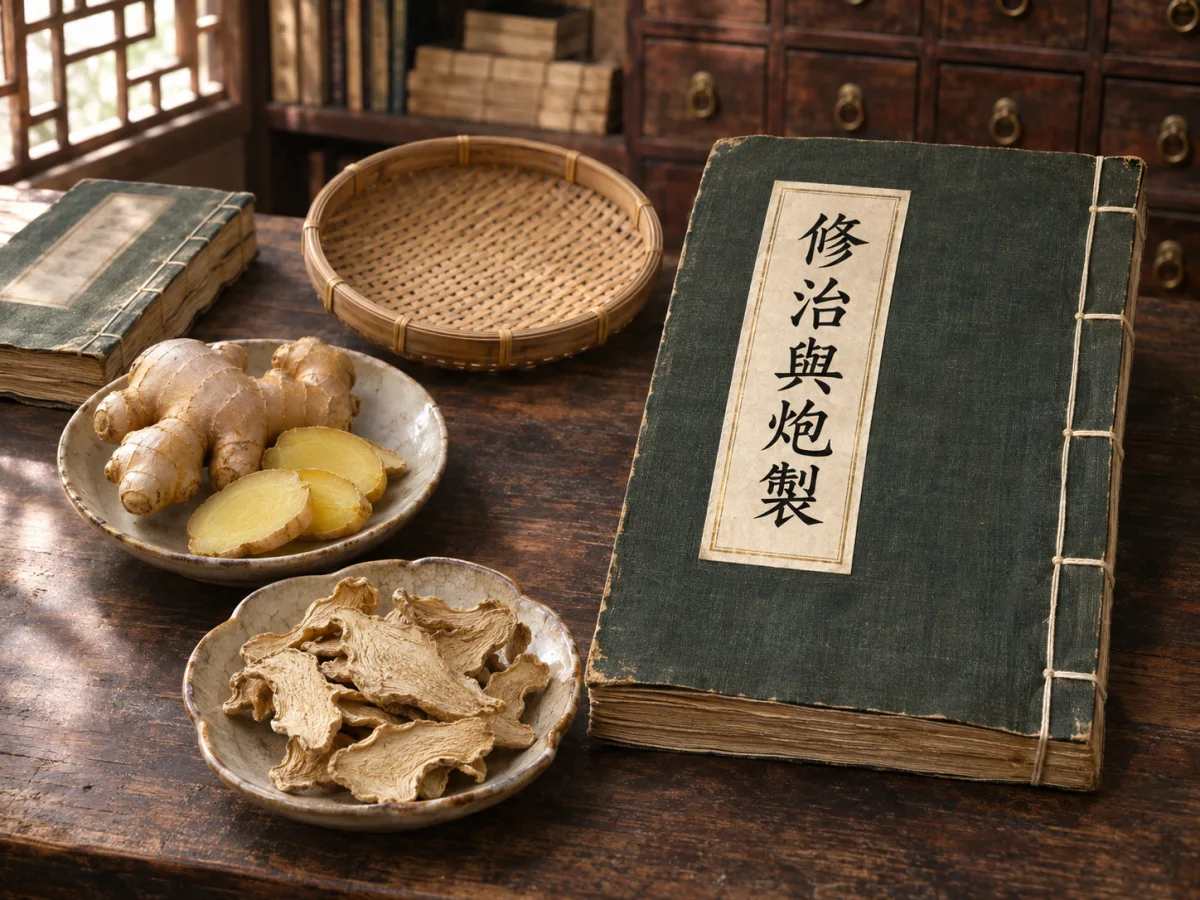
When reading texts on processing and preparation, resist the urge to treat them as step-by-step instructions. Verbs such as qu (remove), xi (wash), qie (cut), zhi (roast with adjuvant), chao (stir-fry), and bei (bake) often mark the state a material is in after treatment, rather than an operational command for readers to follow. The same character zhi may point to different processing conditions and criteria; the same xi may vary with the part of the material. To judge whether a passage describes a result or a method, put the verb back into its sentence and see what nouns and objects surround it. The reference record notes that modern GMP sets requirements for procedures such as sorting, arranging, cutting, and processing, which shows that a procedure itself can be recorded and inspected. Ancient verb records and modern procedural requirements address the same problem in different languages: how to make a state of treatment recognizable and repeatable. Keeping this comparison in view prevents misreading textual records as household production flows.
CHAPTER 02
From Acceptance to Processing: A Verifiable Chain
The reference record states that GMP quality control for Chinese proprietary medicines requires trained personnel to accept and identify medicinal materials, sets requirements for sorting, arranging, cutting, and processing, and includes post-packaging quality checks. This chain runs from personnel qualification through material identification and procedural control to inspection after packaging. When reading ancient processing records, one can borrow this chain to ask: where does this passage sit in the chain? Is it about identifying the material, or about the state after treatment? Does it state a criterion, or leave only a verb? Such questions do not force ancient records into a modern framework; they use the structure of modern regulation to see what ancient records include and omit. The reference record provides no specific ancient formula-book passages, so we cannot determine the exact meaning of a verb in a given book. But we can reason backward from modern requirements: an inspectable procedure usually needs personnel, object, method, and result. Ancient processing texts often preserve only one or two of these, leaving the rest to context and other sources.
CHAPTER 03
Do Not Turn Records into Flows
A common reading trap is to rewrite ancient processing records directly into household production flows. This looks practical but ignores the nature of the texts: ancient verb records aim to mark treatment states and criteria, not to serve as manuals for non-specialists. The reference record's core fact is that modern GMP sets explicit requirements for procedures, which precisely shows that procedures need regulation, training, and inspection rather than casual repetition. To read zhi as “stir-fry with a certain adjuvant to a certain degree” and then turn that understanding into household steps crosses the line between textual reading and actual operation. This article holds that processing texts deserve close reading, but the endpoint of close reading is understanding how they record treatment states, not reproducing a production method. While reading, note verb collocations, the detail or brevity of passages, and differences in the same verb across passages; these are internal textual clues. Actual processing operations should be carried out by trained personnel under regulation, which is the modern quality control framework described in the reference record.
CHAPTER 04
Reading Verbs as Professional Records
If we read processing verbs as professional records rather than operational commands, the focus shifts from “how to do it” to “what is recorded.” Characters such as qu, xi, qie, and zhi mark a material's treatment state at a given moment and the information considered necessary to convey at the time. The reference record mentions trained personnel accepting and identifying materials, which suggests that behind the record lies judgment: which materials are fit to enter the procedure, and which treatment states are acceptable. Ancient processing texts also imply judgment, though the criteria are not always explicit. One can ask: what verifiable information does this record preserve? Which steps are omitted? Are they omitted because they are self-evident, or because contemporary readers had other grounds? Such questions keep textual reading in a testable state and prevent it from sliding into DIY production. Jigufang, as a compiler of collection notes, attends to how texts are understood, compared, and returned to their intellectual context. Processing verbs are an excellent starting point for this reading: they are short, repetitive, seemingly ordinary, yet carry professional judgments about treatment states.
INGREDIENTS
Constituents & parts
The reference record lists no specific herbs or formulas. It states that Chinese proprietary medicine GMP quality control requires trained personnel to accept and identify medicinal materials, with requirements for procedures such as sorting, arranging, cutting, and processing, as well as post-packaging quality checks.
HISTORY
Origins & stories
The core facts come from the Department of Health's GMP quality control Q&A for Chinese proprietary medicines, which describes modern requirements for personnel and procedures. The specific operations and intentions of ancient processing must be judged from individual texts; the reference record provides no verifiable formula-book passages, so uncertain points are left unfilled.
SAFETY
Reading & safety notes
This is a literary and cultural reading, not a guide to making or taking medicines. The actual use of medicinal materials and Chinese proprietary medicines should be judged by professionals in accordance with regulations and specific circumstances.
THE READING ROOM
References
- 衞生署 · 中成藥GMP品質控制問答 ↗
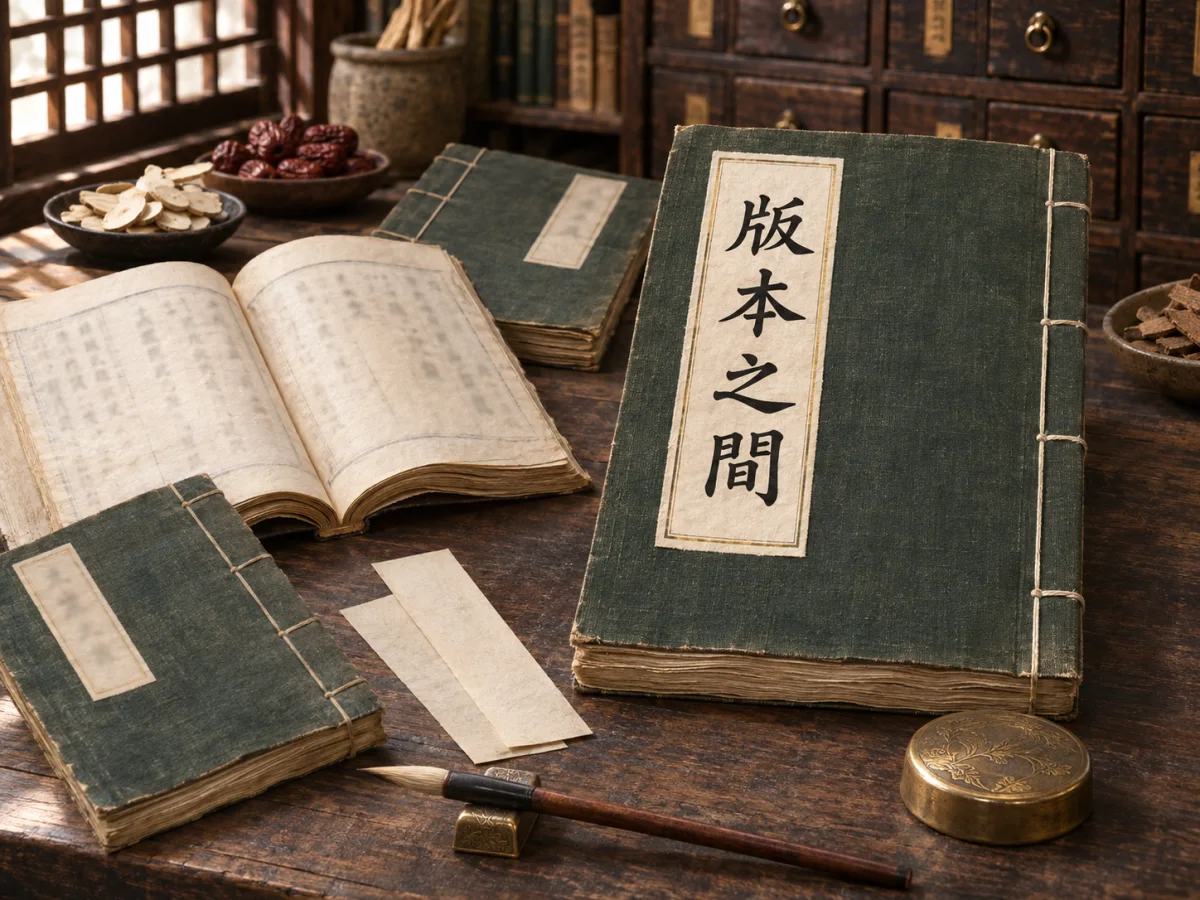
Herbal reading-room scene; not a historical artifact, identification plate or record of brand manufacturing.
Editorial update · 2026-11-16