THE HERBAL ARCHIVE NO. 002
Dried tangerine peel
Citrus reticulata Blanco
Rutaceae · mature peel
Examine the oil cavities, inner fibres and mature peel that define Chenpi. Follow the meaning of its name, associated with ageing, while distinguishing storage records, sensory impressions, constituent analysis and the evidence needed to assess quality.
6 min read

CHAPTER 01
The outer rind and inner surface
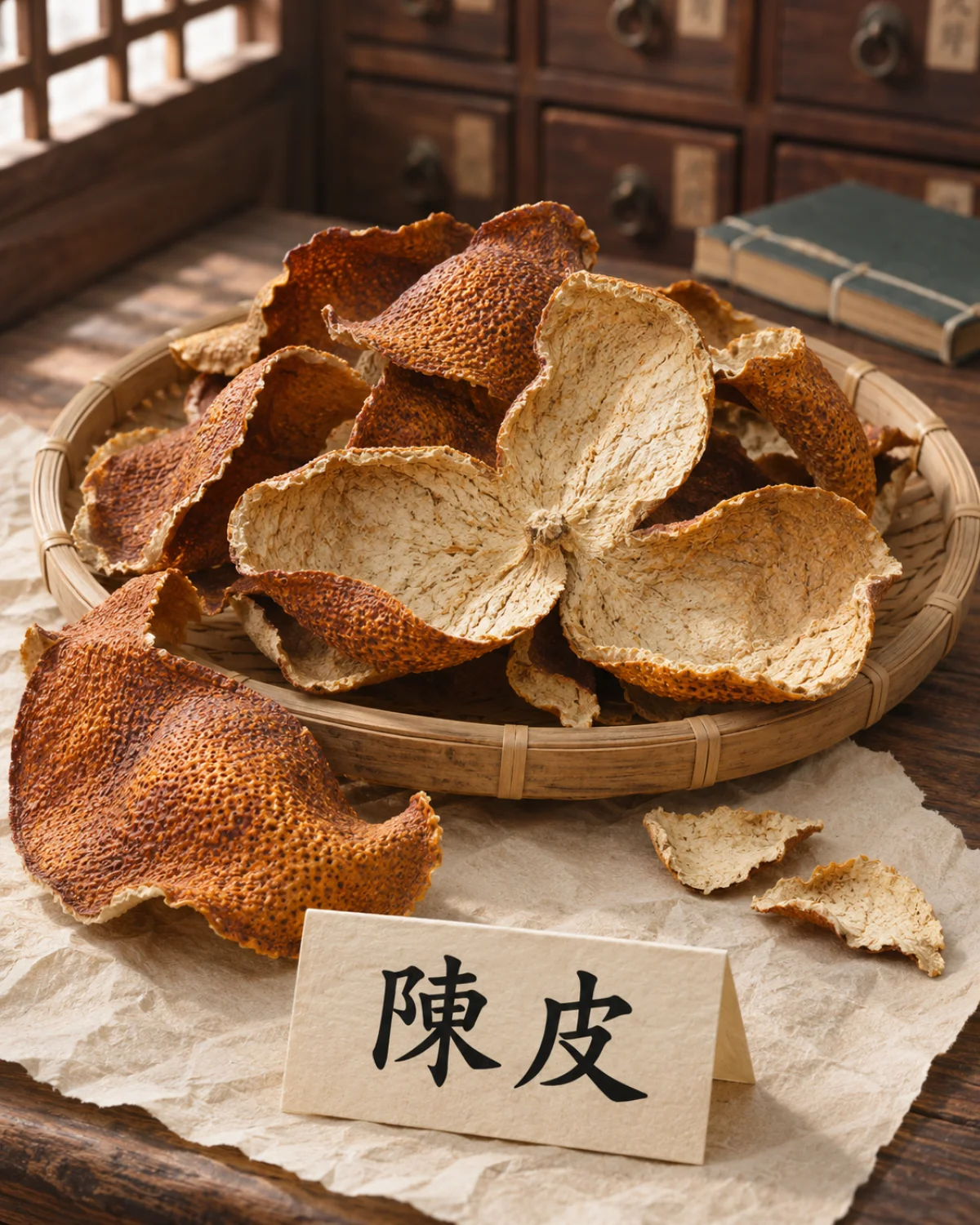
What is used for dried tangerine peel is the dried mature peel of the mandarin orange and its cultivated varieties. Turn a piece of the material over, and the difference between the outer and inner surfaces is immediately clear: the outer layer shows an orange-red to reddish-brown surface with fine sunken dots, while the inner surface is paler and bears a rough fibrous network. These details turn "fruit peel" from a general name into a structure that can be observed item by item.
A medicinal-materials record from Hong Kong Baptist University describes the fine dots on the surface as oil cavities, and notes that fibrous, vein-like vascular bundles are visible on the inner surface. When looking at a cover image or specimen photograph, one may first locate the sunken dots of the outer layer, then look at the inner side exposed where the edge curls up; at the same time, note the difference between a whole piece, connected segments, and irregular fragments. This is the entry point for understanding the material; confirmation of actual source still requires combining labeling and specifications.
CHAPTER 02
Ageing, storage and the story of Chenpi
The name dried tangerine peel naturally brings to mind how time remains upon a piece of peel. Antique-colored containers, gradually deepening color, and stories of collection can all form a fascinating viewing experience; yet to turn this feeling into an understanding of the material, one must also ask where the peel came from, under what name it was recorded, and whether the preservation process has data that can be checked.
A year count is one kind of narrative; source and preservation records are another set of information. Looking at a number of years alone cannot simultaneously reveal the identity of the material, its actual state of preservation, and quality outcomes. When reading ancient texts, brand articles, or product descriptions, one may set the story of age alongside verifiable records; in this way the temporal imagery of dried tangerine peel is retained, and the story does not replace a close reading of the material itself.
CHAPTER 03
Oil cavities and connected peel segments
The figurative language of medicinal-material identification often comes from very small observations. "Bristle eyes" is used to describe the oil cavities on the surface of dried tangerine peel; on reading this term, one may look back at the fine dots densely spread over the peel, without needing to understand it as another constituent. The value of a figurative name is that it helps one remember structure, and then follow that structure back to the material.
In records, dried tangerine peel may appear as segments connected at the base, or as irregular pieces; Guang Chenpi (Guangdong dried tangerine peel) has further morphological descriptions such as connected segments and oil cavities. These texts should be read together with the source of each respective entry; one cannot infer place of origin from a single external feature alone. When encountering dried tangerine peel, Guang Chenpi, or other names containing the character for "tangerine," one should also check item by item what material the record refers to, avoiding omission of the comparison of part and source because the names are similar.
CHAPTER 04
Beyond aroma: reading constituent research
The aroma of dried tangerine peel makes it easy to remember in both dietary and materia medica culture. Yet smelling an aroma and reading a constituent analysis are two different experiences. Aroma is a sensory clue; what research calls volatile oils or flavonoids requires specific accounts of the sample, the object of analysis, and the method before one knows what the results actually describe.
When reading a study, one may first see whether peel, extract, or some isolated constituent was used, then see whether the data involve human observation. In this way one does not jump directly from "contains a certain class of constituents" to the effect of a particular product. If an article further discusses years of aging, one should also note which materials and conditions it compared; by reading sensory experience, preservation records, and research data in separate layers, the content of dried tangerine peel will not be reduced to a single phrase, "the older the better."
INGREDIENTS
Constituents & parts
Dried tangerine peel is the dried mature peel of the mandarin orange Citrus reticulata and its cultivated varieties. This article takes the outer oil cavities, the inner fibrous network, and the form of the peel as its main lines of observation, and places studies of constituents such as volatile oils and flavonoids back within their specific materials and research conditions.
HISTORY
Origins & stories
The character "chen" (aged) links dried tangerine peel with time, and also makes collection, preservation, and the material's record of provenance into themes of reading. In understanding this name, one may appreciate the cultural imagery of the years while also distinguishing actual source, preservation records, and commercial narrative, avoiding the substitution of a number of years for quality data.
SAFETY
Reading & safety notes
Food experience cannot replace medicinal judgment. Those who are taking medication, are pregnant or breastfeeding, or have long-term health concerns should consult a doctor or pharmacist before choosing products related to dried tangerine peel.
THE READING ROOM
References
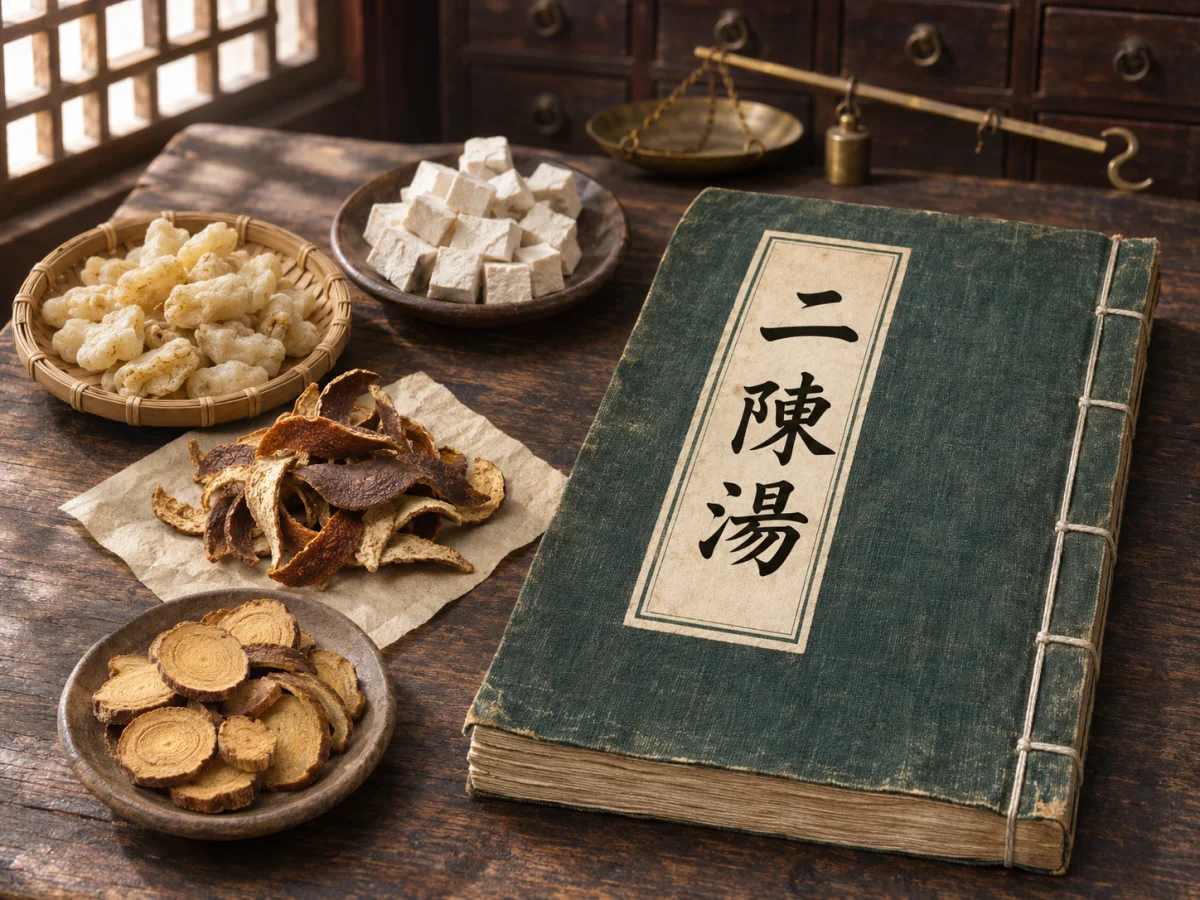
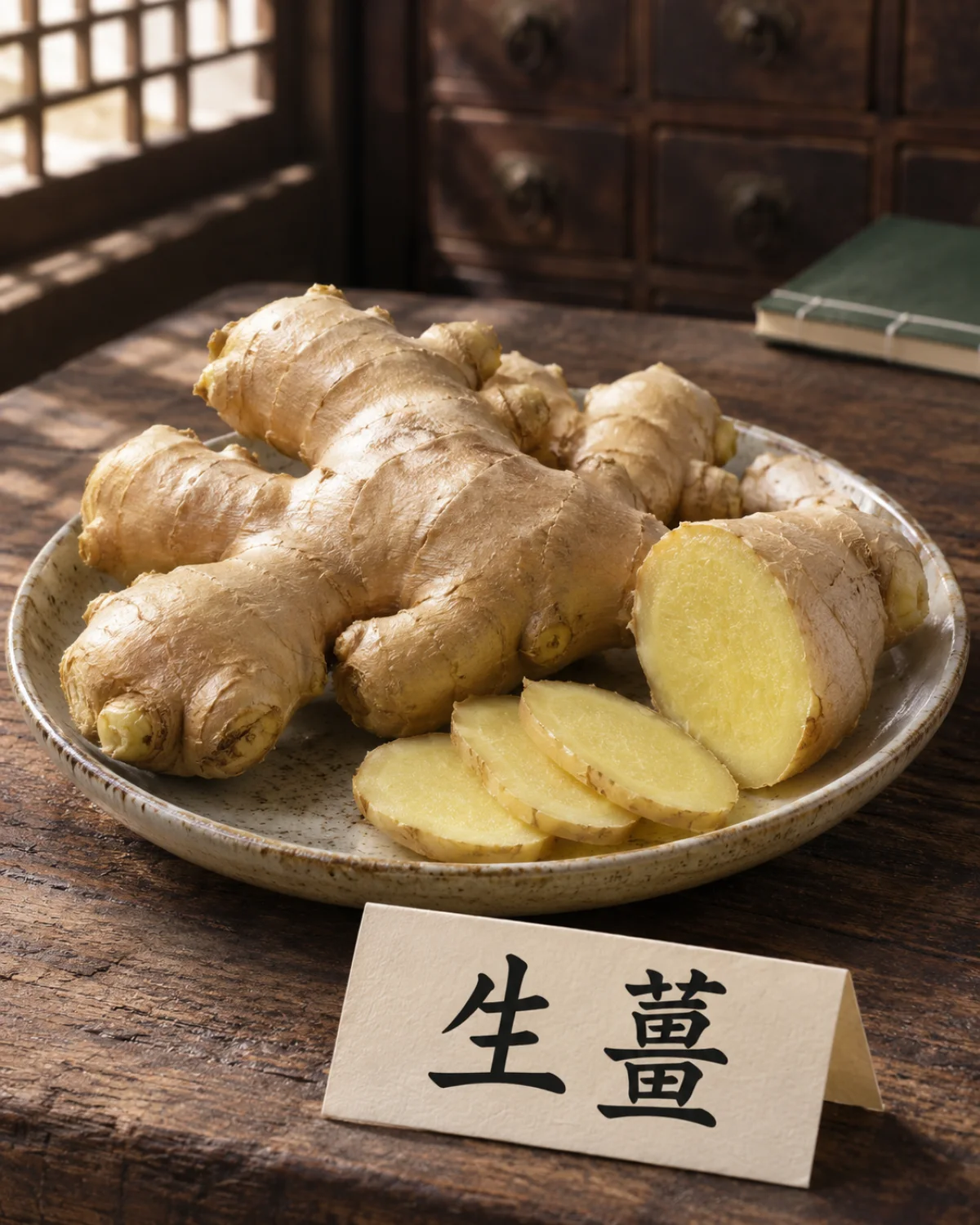
Herbal workshop scene; not a historical artifact, identification plate or record of brand manufacturing.
Editorial update · 2026-11-16